
Navigating the Australian beauty industry’s affiliate landscape can be tricky. This guide dives deep into beauty affiliate programs, exploring the intricacies of commission structures, platform comparisons, and the key players driving this booming market. We’ll equip you with the knowledge to understand the opportunities and challenges of becoming a successful beauty affiliate in Australia.
From understanding the fundamentals of affiliate marketing in the Australian beauty sector to examining the legal and regulatory aspects, this resource will be your comprehensive companion. We will cover everything from the benefits for affiliates and brands to the nuances of Amazon affiliate programs and emerging trends in the industry. Prepare to unlock the secrets of success in this lucrative niche.
Introduction to Beauty Affiliate Programs in Australia
Affiliate marketing is a rapidly growing sector in the Australian beauty industry. Beauty brands leverage affiliate programs to expand their reach and drive sales, while affiliates earn commissions by promoting these products to their audiences. This approach offers a win-win scenario for both parties, fostering a collaborative relationship that can significantly benefit both the brand and the affiliate.This dynamic approach to marketing leverages the influence of individuals and online communities to promote beauty products.
Affiliate marketing allows brands to tap into a wider audience, reaching potential customers who might not otherwise discover them. For affiliates, it presents an opportunity to monetize their online presence and earn income through the promotion of products they genuinely believe in.
Benefits of Beauty Affiliate Programs for Affiliates
Affiliate programs provide affiliates with a straightforward way to earn income. They often offer attractive commission structures, allowing affiliates to earn a percentage of each sale generated through their unique referral links. This incentivizes them to actively promote products, increasing their engagement with their audience and generating revenue streams beyond traditional content creation. The commission structure can vary significantly, ranging from a small percentage to a substantial portion of the sale price, depending on the specific program and the affiliate’s performance.
Benefits of Beauty Affiliate Programs for Brands
Beauty brands benefit from the expanded reach and targeted marketing efforts provided by affiliate programs. By partnering with influential affiliates, brands can tap into existing customer bases and leverage the trust and credibility already established. This translates into increased brand visibility and a potential surge in sales. Affiliates, with their tailored audiences and established platforms, become invaluable partners in reaching the target demographic, leading to enhanced sales conversion rates.
Typical Structure of a Beauty Affiliate Program in Australia
The typical structure of a beauty affiliate program in Australia involves a contractual agreement between the brand and the affiliate. This agreement Artikels the terms of the partnership, including commission rates, payment schedules, and the types of products that can be promoted. Affiliate programs typically include a dedicated affiliate management platform, providing tools and resources for affiliates to track their performance, manage their links, and access promotional materials.
This ensures seamless communication and a transparent relationship.
Examples of Successful Beauty Affiliate Programs in Australia
Several successful beauty affiliate programs exist in Australia. One prominent example involves a large online retailer partnering with numerous beauty bloggers and influencers to promote their skincare and makeup ranges. This strategy successfully integrated affiliate marketing into the overall marketing strategy, effectively driving sales and brand awareness.
Different Types of Beauty Products and Potential Affiliate Program Models
| Product Type | Potential Affiliate Program Model |
|---|---|
| Skincare | Subscription boxes, product reviews, personalized recommendations |
| Makeup | Product comparisons, tutorials, influencer collaborations |
| Haircare | Before-and-after comparisons, product demonstrations, styling tips |
This table illustrates potential affiliate program models tailored to different beauty product categories. Each product type lends itself to specific marketing strategies that affiliates can utilize to promote the product.
Key Players and Platforms
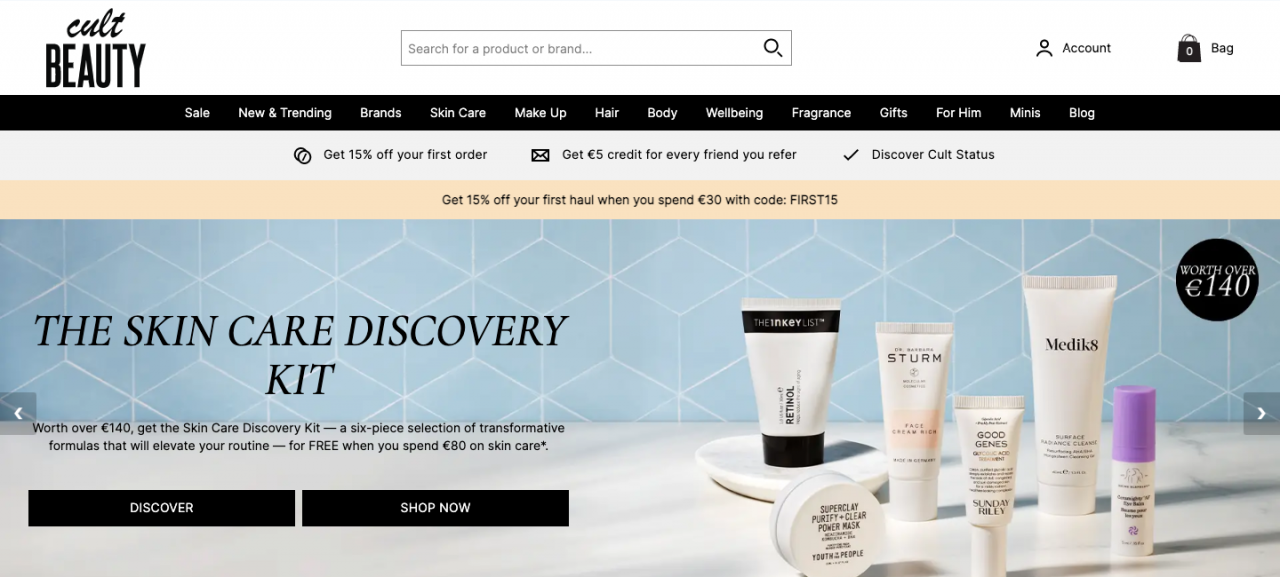
Australian beauty brands are increasingly leveraging affiliate programs to expand their reach and drive sales. Understanding the key players and platforms within this ecosystem is crucial for both brands seeking to participate and affiliates looking to maximize their earnings. This section delves into the major players, popular platforms, and the role of online marketplaces in the Australian beauty affiliate market.
Major Players in the Australian Beauty Affiliate Market
The Australian beauty affiliate market features a mix of established and emerging players. Large online retailers often have robust affiliate programs integrated into their platforms, offering a significant channel for beauty product promotion. Furthermore, dedicated affiliate networks play a crucial role in connecting brands with affiliates. This often includes a variety of beauty-specific and general affiliate networks that cater to the Australian market.
Popular Affiliate Platforms Used by Australian Beauty Brands
Numerous platforms facilitate beauty affiliate marketing in Australia. These platforms typically offer tools for tracking performance, managing commissions, and handling payments. Popular options include established networks like ShareASale, CJ Affiliate, and ClickBank, each with unique strengths. Some platforms may have specialized features for the beauty industry, such as detailed product categories or specialized affiliate managers.
Comparison of Affiliate Platforms for Beauty Products
Different affiliate platforms offer varying levels of support and features. Factors like commission structures, payment terms, and the available tools for affiliate management vary. Some platforms excel in providing detailed analytics, while others focus on broader reach. Brands should evaluate platform features carefully to ensure they align with their specific marketing objectives and target audience. Choosing the right platform can be crucial for maximizing affiliate program effectiveness.
Significance of Online Marketplaces in the Beauty Affiliate Ecosystem
Australian online marketplaces, such as those focused on beauty and personal care products, play a significant role in the affiliate ecosystem. These marketplaces often have integrated affiliate programs, enabling brands to reach a wider audience through the platform’s existing traffic. This allows brands to leverage the platform’s existing customer base, driving sales and brand visibility. The visibility and reach provided by these marketplaces make them important partners for beauty affiliate programs.
Table of Popular Australian Beauty Brands and Their Affiliate Programs
This table presents a snapshot of popular Australian beauty brands and their affiliate programs, where available. Note that affiliate program details can change, and the availability of programs may vary.
| Brand Name | Affiliate Program Availability |
|---|---|
| [Brand Name 1] | [Yes/No] |
| [Brand Name 2] | [Yes/No] |
| [Brand Name 3] | [Yes/No] |
| [Brand Name 4] | [Yes/No] |
| [Brand Name 5] | [Yes/No] |
Commission Structures and Payment Methods
Beauty affiliate programs in Australia offer various commission structures and payment methods to incentivize and reward affiliates for driving sales. Understanding these structures is crucial for affiliates to maximize their earnings potential and for businesses to effectively manage their affiliate marketing campaigns. The optimal choice depends on the specific goals and strategies of both the affiliate and the beauty brand.The commission structure is a key factor in attracting and retaining beauty affiliates.
Different structures incentivize different approaches, from focusing on high-volume sales to driving conversions from specific demographics. Understanding the payment methods is also vital for affiliates to receive their earnings promptly and efficiently.
Common Commission Structures
A variety of commission structures are prevalent in beauty affiliate programs in Australia. These structures vary significantly based on factors such as the product category, the specific brand, and the sales volume. A clear understanding of these structures allows affiliates to make informed decisions regarding which programs to join and how to maximize their earnings.
- Per-Sale Commission: This is the most common structure, where affiliates earn a fixed percentage of each sale they generate. This structure is straightforward and easy to understand. For example, an affiliate might earn 10% commission on every lipstick sold through their unique affiliate link.
- Tiered Commission: This structure rewards affiliates for achieving specific sales targets. Higher sales volumes result in higher commission percentages. For instance, an affiliate might earn 5% on sales up to $1000, 7% on sales between $1000 and $5000, and 10% on sales exceeding $5000.
- Recurring Commission: This structure applies to subscription-based beauty products or services. Affiliates earn a commission each time a customer renews their subscription. This model incentivizes long-term customer relationships and repeat sales.
Payment Methods
A range of payment methods are employed by Australian beauty affiliate programs. The choice of payment method often depends on the affiliate’s preferences and the program’s policies. Security and reliability are essential considerations when selecting a payment method.
- Direct Bank Transfer: A common method, allowing affiliates to receive funds directly into their bank accounts. This method is secure and widely accepted.
- PayPal: A popular online payment platform, facilitating quick and convenient transactions. Affiliates often prefer this method due to its user-friendliness.
- Check/Cheque: While less common in modern affiliate programs, some programs still use cheques as a payment method. This option may be less convenient and less secure compared to electronic alternatives.
- Other Payment Processors: Depending on the program, payment processors such as Stripe or other dedicated affiliate payment systems might be used.
Commission Tiers and Product Categories
Commission tiers often vary across different beauty product categories. High-value items like luxury skincare or high-end makeup often come with higher commission tiers compared to lower-priced products like makeup brushes or skincare essentials.
| Product Category | Commission Tier Example (per-sale) |
|---|---|
| Luxury Skincare | 10-15% |
| Makeup | 5-10% |
| Haircare | 5-8% |
| Makeup Brushes | 3-5% |
| Fragrances | 7-12% |
Building a Successful Beauty Affiliate Business in Australia
Launching a successful beauty affiliate business in Australia requires a strategic approach, blending passion for beauty with a keen understanding of the market and effective marketing strategies. This involves building a strong online presence, connecting with your target audience, and promoting beauty products authentically. Success relies on consistent effort and adapting to the ever-evolving landscape of online beauty commerce.
Establishing a Strong Brand Identity
A strong brand identity is crucial for building trust and recognition in the competitive Australian beauty market. This involves crafting a unique brand voice and aesthetic that resonates with your target audience. Consider your niche (e.g., vegan beauty, natural skincare, makeup for a specific age group), and tailor your content to appeal to that audience’s values and interests.
Authenticity is key; presenting yourself as an expert who genuinely enjoys and uses the products you promote will build trust and credibility. Highlight your unique perspective and experiences with the products, avoiding generic descriptions.
Attracting and Retaining Customers
Attracting and retaining customers requires understanding their needs and preferences. This involves creating valuable content that educates and inspires your audience. Highlight product benefits, provide reviews, and offer comparisons to help customers make informed decisions. Building relationships with your audience through engaging content and prompt responses to comments and questions fosters loyalty. Regularly update your content with new product information and trends to maintain audience interest.
Promoting Affiliate Links on Social Media
Effective social media promotion of affiliate links requires strategic planning. Identify the platforms where your target audience is most active (e.g., Instagram, TikTok, Facebook) and tailor your content to each platform’s specific format and style. Utilize high-quality visuals, engaging captions, and relevant hashtags to maximize visibility. Collaborate with other beauty influencers or brands to expand your reach and gain exposure.
Remember that building genuine relationships and providing value is crucial for long-term success.
Examples of Successful Beauty Affiliate Marketing Campaigns
Several Australian beauty influencers have achieved significant success through affiliate marketing. These campaigns often involve collaborating with brands to create themed content, hosting giveaways, and offering exclusive discounts to followers. A successful example is a campaign featuring a particular skincare line where the influencer created a detailed skincare routine video, highlighting the products’ benefits and encouraging followers to use their affiliate links to purchase the products.
Another example involves an influencer showcasing a makeup look using a specific brand’s products, linking the products directly in the post’s description. These examples showcase how authenticity and value-driven content are key elements in successful campaigns.
Strategies for Building an Audience and Generating Sales
| Strategy | Description | Audience Building | Sales Generation |
|---|---|---|---|
| High-Quality Visual Content | Create visually appealing images and videos to showcase products effectively. | Attracts attention, builds engagement | Highlights product features, inspires purchases |
| Authentic Reviews and Recommendations | Provide honest and detailed reviews of products, emphasizing their benefits. | Builds trust, establishes credibility | Influences purchasing decisions, generates sales |
| Targeted Social Media Campaigns | Utilize relevant hashtags, targeted advertising, and collaborations to reach the desired audience. | Expands reach, increases brand visibility | Drives traffic to affiliate links, increases sales |
| Exclusive Offers and Giveaways | Offer special discounts, bundles, or giveaways to incentivize purchases through affiliate links. | Creates excitement, encourages participation | Boosts sales, rewards loyal customers |
| Building Community Engagement | Engage with followers, respond to comments, and foster a sense of community. | Builds relationships, fosters loyalty | Encourages brand advocacy, generates sales |
Amazon Affiliate Programs and Beauty Products
Amazon’s affiliate program presents a significant opportunity for beauty affiliates in Australia. Its vast inventory of beauty products and established customer base make it a powerful platform for driving sales. However, navigating the competitive landscape requires a strategic approach.The sheer volume of beauty products on Amazon, from skincare and makeup to hair care and fragrances, creates a substantial pool of potential sales.
Understanding how Amazon’s affiliate program functions and how it differs from other platforms is crucial for success. This section will delve into the specifics of leveraging Amazon for beauty affiliate marketing in Australia, highlighting both the advantages and disadvantages.
Relevance of Amazon Affiliate Programs for Beauty Products in Australia
Amazon’s popularity in Australia makes it a highly relevant platform for beauty product affiliates. The platform’s extensive reach and diverse customer base provide access to a broad audience interested in beauty products. This large customer base is a significant driver for affiliate marketers seeking to expand their reach and generate sales. Amazon’s robust search engine and user-friendly interface also facilitate product discovery and purchasing, contributing to its appeal.
Comparison with Other Beauty Affiliate Programs
- Amazon’s affiliate program excels in product variety, but other specialized beauty affiliate programs often offer higher commissions on niche products. This may result in less overall revenue if the niche market doesn’t align with the affiliate’s target audience. For example, an affiliate focusing on organic skincare might find a specialized program catering to that niche more lucrative than Amazon.
- Many specialized beauty affiliate programs provide dedicated support and resources for affiliates. These resources can include marketing materials, training, and access to exclusive deals or product information, which can give an edge over the more generalized platform like Amazon. Amazon’s focus is on a broad range of products, not specifically beauty, which might limit these resources.
- The competitive landscape on Amazon can be intense. Affiliate marketers must distinguish themselves with compelling content and effective promotional strategies to stand out from other affiliates promoting similar beauty products.
Advantages of Using Amazon for Beauty Affiliate Marketing
- Extensive Product Selection: Amazon offers an unparalleled range of beauty products, catering to diverse customer needs and preferences. This broad selection provides affiliates with ample opportunities to promote various products and appeal to a wider audience. For instance, affiliates can target products for different skin types, budgets, or beauty routines.
- Established Customer Base: Amazon’s vast customer base in Australia translates to a ready market for beauty products. This established customer base is already familiar with the platform, which can facilitate product discovery and purchases.
- Strong Search Engine Optimization (): Amazon’s search engine and user interface contribute to higher visibility and discoverability of beauty products. This visibility helps affiliates reach potential customers interested in specific beauty products or trends.
Disadvantages of Using Amazon for Beauty Affiliate Marketing
- High Competition: The sheer number of affiliates promoting beauty products on Amazon can make it challenging to stand out. Affiliates need strong marketing strategies to gain visibility and drive conversions. This high competition might mean lower commission rates compared to specialized programs.
- Lower Commissions: Commission rates on Amazon can sometimes be lower compared to other specialized beauty affiliate programs. This is a common challenge for affiliates promoting various beauty products on Amazon. This means affiliates might need to promote more products or achieve higher sales volumes to reach the same revenue targets as on niche programs.
- Limited Control Over Branding and Presentation: Affiliates have less control over branding and presentation on Amazon compared to their own websites or blogs. This can affect how they position their brand and connect with their target audience.
Potential Challenges and Solutions
- High Competition: Differentiating oneself from numerous competitors requires creating high-quality content that emphasizes product expertise, personal experiences, and compelling visuals. For example, an affiliate might focus on providing detailed reviews of specific products or highlighting exclusive deals not available elsewhere on the platform.
- Maintaining Engagement: Creating regular, engaging content on beauty topics, offering insights, and building a loyal following can enhance visibility and credibility. Sharing relevant beauty tips, product comparisons, and tutorials can keep the audience interested and coming back for more.
Specifics of Using Amazon’s Affiliate Marketing Platform
Using Amazon’s affiliate platform for beauty product promotions involves creating engaging content that promotes specific beauty products. This includes detailed product reviews, comparison articles, and showcasing how the products are used in different contexts or beauty routines. Creating valuable content, like a comprehensive guide to the best products for oily skin, can help attract and engage customers. Moreover, utilizing Amazon’s own promotional tools, like product spotlights or featured items, can maximize visibility and sales conversions.
Table Comparing Amazon Affiliate Programs and Other Programs
| Feature | Amazon Affiliate Program | Other Australian Beauty Affiliate Programs |
|---|---|---|
| Product Variety | Extremely High | High, often focused on niche markets |
| Commission Rates | Generally lower | Can be higher for niche products |
| Marketing Support | Limited to platform tools | Often includes dedicated resources, training, and marketing materials |
| Customer Reach | Very large | Potentially smaller, but more focused |
| Control over Branding | Limited | More control |
Legal and Regulatory Aspects
Navigating the legal landscape is crucial for any successful affiliate program, especially in a regulated industry like beauty. Understanding Australian laws and regulations related to affiliate marketing and the beauty sector ensures compliance and mitigates potential risks. This section Artikels key considerations for beauty affiliate programs in Australia.Australian regulations, while not specifically targeting affiliate marketing in the beauty sector, are broad enough to encompass its principles.
Compliance with these regulations is paramount to avoiding legal issues and maintaining ethical business practices.
Relevant Legal Considerations
Australian law encompasses various regulations that indirectly impact beauty affiliate programs. These regulations cover consumer protection, advertising standards, and potential conflicts of interest. Affiliate marketers must ensure their practices adhere to these broader legal frameworks.
Compliance Requirements for Affiliate Marketing
Maintaining compliance with Australian consumer protection laws is essential. These laws aim to protect consumers from misleading or deceptive conduct. Affiliate marketers must ensure their content is accurate and transparent, disclosing any potential conflicts of interest. Furthermore, they must comply with advertising standards, ensuring advertisements are not misleading or harmful.
Handling Potential Conflicts of Interest
Potential conflicts of interest in beauty affiliate programs arise when an affiliate’s recommendations are influenced by factors other than product merit. Disclosure is crucial in managing these conflicts. For example, if an affiliate receives a commission or a free product, this must be transparently disclosed to the consumer. Clear disclosure prevents misrepresentation and maintains consumer trust.
Industry Best Practices Regarding Disclosure and Transparency
Transparency and disclosure are fundamental to ethical affiliate marketing in the Australian beauty industry. This includes clearly stating the affiliate relationship, disclosing any incentives received, and providing accurate product information. These practices foster trust and credibility with consumers.
Examples of Relevant Australian Legislation
Several Australian laws underpin consumer protection and advertising standards. The Australian Consumer Law (ACL), enforced by the Australian Competition and Consumer Commission (ACCC), is particularly relevant. The ACL prohibits misleading or deceptive conduct, unconscionable conduct, and unfair contract terms. Similarly, advertising codes and guidelines issued by industry bodies like the Advertising Standards Bureau (ASB) offer further guidance.
Key Legal and Regulatory Aspects for Beauty Affiliate Programs in Australia
| Aspect | Description |
|---|---|
| Australian Consumer Law (ACL) | Prohibits misleading or deceptive conduct, unconscionable conduct, and unfair contract terms. Affiliate marketers must ensure their content and representations are accurate and not misleading. |
| Advertising Standards | Compliance with advertising codes and guidelines, such as those from the Advertising Standards Bureau (ASB), is necessary. Affiliate marketing content should not be misleading or harmful. |
| Disclosure of Conflicts of Interest | Clearly disclosing any potential conflicts of interest, such as receiving commissions or free products, is crucial. This transparency builds consumer trust. |
| Truthful and Accurate Representation | Affiliate content must be truthful and accurate, avoiding exaggerated claims or misleading descriptions of products. |
| Consumer Protection Laws | Protecting consumers from misleading or deceptive conduct, ensuring affiliate marketing practices are ethical and compliant. |
Future Trends and Opportunities
The Australian beauty affiliate market is dynamic and constantly evolving. Understanding emerging trends and opportunities is crucial for affiliates to remain competitive and successful. This section explores key future directions, including the impact of technology, influencer marketing, and ethical considerations.The beauty industry in Australia, like globally, is rapidly adapting to changing consumer preferences and technological advancements. This creates both challenges and exciting new avenues for beauty affiliates to capitalize on.
Emerging Trends in the Australian Beauty Market
The Australian beauty market is experiencing a shift towards inclusivity, sustainability, and personalized experiences. Consumers are increasingly seeking products that align with their values and lifestyles, prompting a rise in demand for diverse beauty options, eco-friendly formulations, and customized solutions. These trends directly impact affiliate marketing, requiring affiliates to adapt their strategies to remain relevant.
Potential Future Opportunities for Beauty Affiliates
Several promising opportunities await beauty affiliates in Australia. The growing demand for sustainable and ethically sourced beauty products presents an excellent niche for affiliates to cater to environmentally conscious consumers. Additionally, personalized beauty recommendations, driven by data-driven insights and AI-powered tools, will be a significant opportunity for affiliates to connect with customers on a deeper level.
Technology’s Impact on the Beauty Affiliate Landscape
Technological advancements are reshaping the affiliate landscape. AI-powered tools and personalized recommendation engines are transforming customer experiences, allowing affiliates to leverage data insights to target specific consumer segments effectively. E-commerce platforms are also evolving, offering more sophisticated affiliate tracking and performance optimization features. This evolution provides opportunities for affiliates to streamline their operations and maximize their ROI.
The Role of Influencer Marketing in Beauty Affiliate Programs
Influencer marketing is a powerful tool for beauty affiliates in Australia. Authenticity and trust are paramount in this space, meaning affiliates must partner with influencers whose values and audience align with their brand. Micro-influencers, with a more focused and engaged audience, are often more effective in fostering trust and driving conversions compared to large-scale influencers. This necessitates a shift towards a more strategic and targeted approach to influencer partnerships.
The Role of Sustainability and Ethical Considerations
Sustainability and ethical considerations are increasingly important for beauty consumers in Australia. Affiliates who highlight eco-friendly practices and ethical sourcing in their marketing efforts will resonate strongly with this segment. Transparency and accurate information are crucial to build trust and credibility. This includes clear labeling of sustainable practices, certifications, and ethical production processes.
Future Trends and Opportunities Table
| Trend | Opportunity | Impact |
|---|---|---|
| Rise of Sustainable Beauty | Highlighting eco-friendly products and brands | Attracting environmentally conscious consumers |
| Personalized Beauty Recommendations | Leveraging AI and data insights | Improving customer engagement and conversions |
| Influencer Marketing Focus on Authenticity | Partnering with micro-influencers | Building trust and credibility |
| Ethical Sourcing and Transparency | Highlighting ethical practices and certifications | Building brand loyalty and trust |
| Evolving E-commerce Platforms | Utilizing sophisticated tracking and optimization tools | Maximizing ROI and streamlining operations |
Epilogue
In conclusion, beauty affiliate programs in Australia offer a wealth of opportunities for both brands and affiliates. By understanding the diverse commission structures, platforms, and legal considerations, you can effectively leverage this market. This guide provides a detailed overview, equipping you with the knowledge to make informed decisions and build a thriving beauty affiliate business in Australia. The future of beauty affiliate marketing in Australia looks promising, and this resource is your starting point.
FAQ Overview
What are the typical commission structures in Australian beauty affiliate programs?
Commission structures vary significantly depending on the brand and product category. Some programs offer tiered commissions based on sales volume, while others use a flat rate. It’s essential to thoroughly review the terms and conditions of each program to understand the specifics.
What are some popular affiliate platforms used by Australian beauty brands?
Several platforms cater to the Australian beauty market, including industry-specific affiliate networks and broader e-commerce platforms. The choice often depends on the brand’s target audience and marketing strategy.
What are the legal considerations for beauty affiliate programs in Australia?
Australian legislation regarding affiliate marketing requires transparency and disclosure. Affiliates must clearly disclose their affiliate relationships and avoid misleading consumers. Understanding these legal nuances is crucial for compliance.
How can I build a strong brand identity for my beauty affiliate business in Australia?
Building a strong brand identity involves creating a unique niche within the beauty market. This could focus on specific product categories, customer demographics, or a particular aesthetic. Building trust and credibility with your audience is vital.