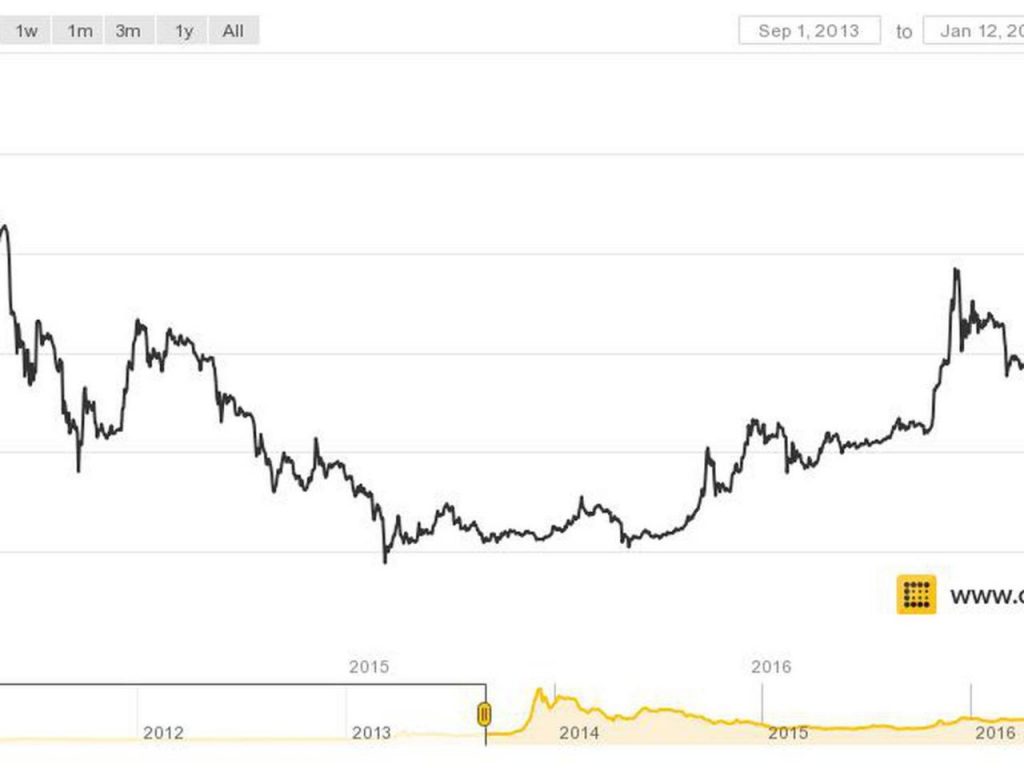
Kicking off with bitcoin price 2013, it was a transformative year that marked Bitcoin’s rise from obscurity to mainstream attention. The cryptocurrency began to draw the interest of investors and the media, leading to significant price fluctuations.
Throughout the year, Bitcoin experienced dramatic highs and lows influenced by various events and market perceptions. With each spike, the narrative around Bitcoin shifted, reflecting its potential and the risks associated with this digital asset.
Historical Context of Bitcoin in 2013
In 2013, Bitcoin transitioned from a niche digital currency into a mainstream financial asset, capturing the attention of investors, regulators, and the general public alike. This year was pivotal for Bitcoin as it faced significant developments and challenges that shaped its trajectory in the financial landscape.The emergence of Bitcoin in 2013 was marked by a surge in its price and popularity, driven by various factors including increased media coverage and investor interest.
The year began with Bitcoin’s value hovering around $13, but by the end of 2013, it had skyrocketed to over $1,100. This dramatic change was influenced by several key events and milestones that not only affected Bitcoin’s price but also its overall acceptance in the financial world.
Significant Events Influencing Bitcoin Price Movements
Throughout 2013, a series of notable events played crucial roles in the fluctuations of Bitcoin’s price. These events highlighted the growing interest and skepticism surrounding the digital currency.
- The Cyprus Financial Crisis: In March 2013, as the financial crisis in Cyprus unfolded, residents turned to Bitcoin as a means to protect their savings from bank restrictions. This incident contributed to a spike in Bitcoin’s value as it showcased the currency’s potential as a hedge against traditional banking failures.
- Increased Media Coverage: The media began to cover Bitcoin extensively in 2013, leading to greater public awareness and interest. Reports of Bitcoin’s potential for high returns attracted a wave of new investors, further driving up its price.
- Regulatory Scrutiny: As interest in Bitcoin grew, so did the scrutiny from regulators worldwide. The U.S. government held hearings to understand the implications of cryptocurrencies, leading to both concerns and a sense of legitimacy in the market.
- Launch of Bitcoin Exchanges: The establishment and growth of exchanges, such as Coinbase and Kraken, made it easier for individuals to buy and sell Bitcoin, contributing to its liquidity and accessibility.
Key Milestones in Bitcoin’s Development and Acceptance
was a landmark year for Bitcoin, marked by significant milestones that helped solidify its place in the economy.
- First Major Retailer Acceptance: In November 2013, the online retailer Overstock.com announced that it would start accepting Bitcoin as a payment method, marking one of the first major retail endorsements of the cryptocurrency.
- Bitcoin Price Record: In December 2013, Bitcoin reached an all-time high of around $1,200, driven by increased demand and speculative trading, signaling its acceptance as a legitimate asset class.
- Formation of Bitcoin Foundations: Various organizations and foundations were established to promote Bitcoin’s development and adoption, providing resources and support for developers and users.
- Educational Initiatives: The rise of Bitcoin led to the creation of educational platforms focused on teaching investors about cryptocurrencies, fostering a more informed investor base.
Bitcoin’s journey in 2013 laid the foundation for its future growth, demonstrating both the potential and the challenges of digital currencies in a rapidly evolving financial landscape.
Bitcoin Price Trends in 2013
Throughout 2013, Bitcoin experienced remarkable price fluctuations that captivated investors, traders, and the general public alike. The year marked a turning point for Bitcoin, with its price soaring to unprecedented heights and drawing significant attention from mainstream media and new participants in the cryptocurrency market. Understanding these price trends is crucial for grasping the overall evolution of Bitcoin in its early years.The volatility of Bitcoin’s price in 2013 was influenced by various factors, including increased adoption, regulatory developments, and market sentiment.
Each month brought its own set of challenges and milestones, leading to both surges and declines in price. Below is a table detailing the closing prices of Bitcoin for each month in 2013, providing a clear snapshot of its dramatic journey throughout the year.
Monthly Closing Prices of Bitcoin in 2013
The table below illustrates the monthly closing prices of Bitcoin during 2013, showcasing the significant price swings that characterized this pivotal year.
| Month | Closing Price (USD) |
|---|---|
| January | $13.50 |
| February | $20.00 |
| March | $93.40 |
| April | $172.00 |
| May | $123.00 |
| June | $100.00 |
| July | $91.00 |
| August | $118.00 |
| September | $130.00 |
| October | $196.00 |
| November | $1,000.00 |
| December | $1,199.00 |
The drastic price movements throughout the months were primarily driven by a mixture of external events and internal dynamics. For instance, the surge in April was largely attributed to increased media coverage, which brought a wave of new investors into the market.
“In November 2013, Bitcoin crossed $1,000 for the first time, marking a significant milestone in its history.”
Conversely, the drop in May and June was influenced by regulatory concerns, particularly in China, where authorities began to clamp down on Bitcoin trading. This regulatory pressure led to a loss of confidence among investors, causing prices to fall sharply.The closing prices reflect not just the market’s reaction to Bitcoin itself but also the broader economic landscape and investor sentiment.
The year 2013 laid the groundwork for Bitcoin’s future as a digital asset, illustrating its potential for both high returns and high risks.
Major Influencers on Bitcoin Price
In 2013, Bitcoin experienced significant price volatility, influenced by a range of figures, organizations, and regulatory changes. Understanding these influencers provides insight into the price movements and market sentiment during that pivotal year in Bitcoin’s history.
Influential Figures and Organizations
Several key individuals and organizations had a profound impact on Bitcoin’s valuation in 2013. Their endorsements, criticisms, or actions notably shaped public perception and investment behavior.
- Satoshi Nakamoto: While Satoshi was largely absent from the public discourse in 2013, the mysterious creator’s legacy continued to influence Bitcoin’s narrative. Any movements or changes in the early Bitcoin wallets stirred speculation, impacting market confidence.
- Charlie Shrem: As a prominent advocate for Bitcoin and the co-founder of BitInstant, Shrem played a crucial role in promoting Bitcoin adoption. His subsequent legal issues surrounding money laundering allegations brought both attention and scrutiny to the Bitcoin ecosystem.
- Silk Road: The online marketplace for illegal goods utilized Bitcoin as its primary currency. The crackdown on Silk Road in late 2013 generated significant media coverage and debate over Bitcoin’s use, affecting its price due to increased attention from regulators and the public.
Regulatory Changes Affecting Bitcoin Valuation
In 2013, various regulatory developments influenced Bitcoin’s standing in the global financial landscape. Governments and financial institutions began to take notice, which impacted investor confidence.
- China’s Ban on Bitcoin Exchanges: In December 2013, the People’s Bank of China announced a prohibition on financial institutions from providing services related to Bitcoin, leading to a sharp decline in its price. This move sparked fears of regulatory crackdowns elsewhere.
- FinCEN Guidelines: In March 2013, the Financial Crimes Enforcement Network (FinCEN) issued guidelines regarding the use of virtual currencies, which provided clarity but also highlighted potential regulatory challenges for cryptocurrency businesses.
- Tax Regulations: The IRS declared that Bitcoin would be treated as property for tax purposes, impacting how investors and businesses approached transactions and investments in Bitcoin.
Media Coverage Impacting Bitcoin Price Changes
Media coverage played a crucial role in shaping public perception and investor interest in Bitcoin throughout 2013. The varying narratives presented by the media contributed to the price fluctuations observed during the year.
- Positive Coverage: Enthusiastic reporting on Bitcoin’s potential as a revolutionary payment system and store of value attracted new investors, leading to price surges. High-profile endorsements from figures like Richard Branson and the increasing acceptance by businesses contributed positively to sentiment.
- Negative Coverage: Conversely, sensationalist articles about Bitcoin’s association with criminal activities and its volatile nature often led to panic selling, causing sharp declines in price. Incidents such as the Silk Road bust and hacking incidents fueled negative narratives.
- Market Analysis and Predictions: Analysts began to publish forecasts regarding Bitcoin’s future price trajectory. While some predictions were optimistic, citing potential price points in the thousands, other analysts expressed caution, emphasizing the speculative nature of the asset.
Comparison to Current Bitcoin Prices
In 2013, Bitcoin was in the early stages of its journey toward mainstream recognition, with prices fluctuating dramatically throughout the year. Today, Bitcoin has established itself as a prominent player in the financial world, with its price reflecting a complex interplay of various factors that weren’t as influential back then. Understanding the differences in Bitcoin’s price from 2013 to now involves a structured comparison and analysis of market dynamics and perceptions over the years.
Bitcoin Price Comparison Table
The following table presents a clear comparison of Bitcoin prices in 2013 versus current prices to highlight notable changes over time:
| Year | Average Price (USD) | Price Range (Low – High) | Current Price (as of October 2023) |
|---|---|---|---|
| 2013 | $13.40 | $7.31 – $1,150.00 | $27,000.00 |
The stark difference in the average price and the current valuation underscores the growth Bitcoin has experienced since its inception. Initially, Bitcoin was viewed with skepticism, but as knowledge and understanding grew, so did its perceived value.
Factors Contributing to Price Differences
Several key factors contribute to the significant difference in Bitcoin prices from 2013 to the present. The evolution of Bitcoin as an asset class has led to a broader acceptance and understanding of its value.
- Market Maturity: The cryptocurrency market has matured significantly since 2013, leading to increased stability and investor confidence.
- Institutional Adoption: Large financial institutions and corporations have entered the Bitcoin space, legitimizing it as a viable investment option.
- Regulatory Developments: Evolving regulations have provided clearer guidelines on cryptocurrency trading, attracting more investors.
- Technological Advancements: Upgrades to the Bitcoin network, such as the Lightning Network, have improved transaction speed and scalability, enhancing its utility.
- Global Economic Factors: Economic uncertainty and inflation concerns have driven investors to seek alternative assets like Bitcoin as a hedge.
The combination of these factors has shifted market perception from viewing Bitcoin as a niche digital currency to recognizing it as a significant player in the global financial ecosystem.
Evolving Market Perception of Bitcoin
Since 2013, the market perception of Bitcoin has undergone a profound transformation. Initially seen primarily as a speculative investment, it is now viewed as a legitimate asset class by many investors.
“Bitcoin is increasingly recognized not just as digital gold but also as a potential hedge against inflation.”
This evolution can be attributed to several developments:
- Increased media coverage and public awareness, which have educated potential investors about Bitcoin’s utility and benefits.
- The rise of Bitcoin-related financial products, such as ETFs and futures contracts, which have made it easier for traditional investors to gain exposure to Bitcoin.
- The growing community of users and developers who continue to innovate and advocate for Bitcoin’s adoption in everyday transactions.
These changes have contributed to a more favorable outlook on Bitcoin, establishing it as a cornerstone of modern investment strategies.
Investment Sentiment and Behavior

In 2013, Bitcoin witnessed an extraordinary transformation in investment sentiment and behavior, moving from a niche interest to a topic of mainstream discussion. This pivotal year marked a significant increase in investor participation as more individuals and institutional players began to recognize Bitcoin as a legitimate asset. The soaring price of Bitcoin, which reached an all-time high of over $1,100 in late 2013, fueled excitement and speculation about its potential as a store of value and a means of financial innovation.The rise in Bitcoin’s price had a profound effect on investor interest, drawing in both seasoned traders and newcomers.
As prices climbed, a sense of urgency and fear of missing out (FOMO) drove many to invest, hoping to capitalize on the momentum. This behavior was characterized by a mix of enthusiasm and caution, as investors weighed the potential for high rewards against the inherent risks associated with a volatile asset like Bitcoin.
Investor Behavior and Market Dynamics
The behavior of investors in 2013 can be broken down into several key trends that illustrate the evolving landscape of Bitcoin investment. Understanding these trends provides insight into the mindsets and motivations that shaped investor participation during this critical year.
- Increased Speculation: As Bitcoin’s price surged, many investors viewed it as a speculative opportunity rather than a long-term asset. This speculative behavior led to increased trading volumes and volatility, with many buying and selling based on short-term price movements.
- Adoption of Bitcoin as an Investment: A notable shift occurred as more investors began to see Bitcoin as a legitimate investment, akin to gold or other precious metals. Reports highlighted institutional interest, with hedge funds and venture capitalists exploring Bitcoin as part of diversified portfolios.
- Social Media Influence: Platforms like Twitter and Reddit played a crucial role in shaping investor sentiment. Twitter feeds filled with bullish predictions and Reddit forums thrived with discussions, contributing to the sense of community among investors and fueling further interest.
- Concerns Over Security and Regulation: Despite the excitement, there were apprehensions regarding security risks and regulatory scrutiny. High-profile thefts, such as the Mt. Gox hack, raised alarms about the safety of investments, prompting some to exercise caution. Investors began to weigh the risks of investing in a largely unregulated market.
“The meteoric rise of Bitcoin in 2013 demonstrated both the potential rewards of cryptocurrency investing and the volatility that can accompany such investments.”
The risks and rewards perceived by investors in 2013 highlighted the dual nature of Bitcoin as a financial instrument. While the potential for high returns attracted many, the volatile nature of Bitcoin also meant the possibility of significant losses. Investors had to navigate a landscape filled with opportunity but also fraught with uncertainty, making informed decision-making essential in this burgeoning market.
As 2013 progressed, the evolving sentiment and behavior of investors laid the groundwork for the future of Bitcoin and its place in the financial world.
Technical Analysis of Price Movements
In 2013, Bitcoin experienced significant price volatility, which created various opportunities and challenges for traders and investors alike. By analyzing price movements through technical patterns and indicators, one can glean insights into market behavior and potential future trends. Understanding these price movements is essential for making informed investment decisions.The technical analysis of Bitcoin’s price movements during 2013 reveals patterns that signal market sentiment and potential price targets.
A focus on trading volume provides additional context to the price fluctuations, highlighting the strength behind these movements.
Price Patterns Observed in 2013
During 2013, Bitcoin’s price exhibited several notable patterns. Recognizing these patterns is key to understanding market behavior. Here are some key observations from the year:
- Double Tops: Bitcoin experienced double tops around the $266 and $1,200 price levels, indicating strong resistance at these points. This pattern suggests that buyers were unable to push the price higher after reaching these levels.
- Support Levels: Key support levels were observed at around $100 and $200, where price corrections occurred. These points acted as a safety net for traders, allowing for potential buying opportunities.
- Breakout Patterns: A breakout above $266 in April led to significant price surges, displaying the potential for rapid price increases following positive sentiment.
Implications of Trading Volume
The trading volume of Bitcoin in 2013 played a crucial role in price fluctuations. Higher trading volumes often correlate with stronger price movements, which can indicate the underlying strength of a trend. Here’s how trading volume impacted price changes:
- Volume Spikes: Significant price movements were often accompanied by volume spikes, suggesting that strong buyer interest was driving the price up.
- Price Reversals: In instances of declining price, increased selling volume indicated market panic, often leading to further declines.
Key Technical Indicators
Several technical indicators proved relevant throughout 2013 in analyzing Bitcoin’s price movements. These indicators helped traders make informed decisions based on market trends.
- Relative Strength Index (RSI): The RSI often indicated overbought or oversold conditions, guiding traders on potential price reversals.
- Moving Averages: The 50-day and 200-day moving averages provided insights into long-term trends, with crossovers indicating potential buy or sell signals.
- Bollinger Bands: This indicator helped assess volatility by showing price channels, with price movements outside the bands usually indicating potential reversals.
- Fibonacci Retracement Levels: These levels assisted traders in identifying potential support and resistance areas, proving useful during price corrections.
Global Events Impacting Bitcoin
In 2013, several significant global economic events had a profound impact on Bitcoin prices, creating an environment of volatility and rapid change. The intersection of international crises, regulatory developments, and economic uncertainty contributed to the cryptocurrency’s unique position as both an alternative investment and a hedge against traditional finance.One of the defining aspects of Bitcoin’s price movements in 2013 was its reaction to global economic instability.
Various events around the world served as catalysts for shifts in Bitcoin’s value, reflecting the cryptocurrency’s growing visibility and acceptance among mainstream investors.
Economic Crises and Their Influence
Economic crises typically push investors towards alternative assets. In 2013, several international economic events fueled interest in Bitcoin:
- Cyprus Financial Crisis: The banking crisis in Cyprus, which involved the government levying a one-time tax on bank deposits, led to increased Bitcoin adoption as individuals sought to protect their wealth from government intervention. The situation highlighted Bitcoin’s decentralized nature as a safeguard against traditional banking failures.
- Chinese Market Dynamics: China emerged as a significant player in the Bitcoin market in 2013. The People’s Bank of China announced regulatory changes regarding Bitcoin transactions, leading to spikes in demand and, subsequently, price volatility as traders reacted to the evolving regulatory landscape.
- U.S. Government Shutdown: The 2013 U.S. government shutdown created uncertainty around federal financial stability, prompting investors to look for assets that were less correlated with traditional financial markets. Bitcoin’s perceived independence from such governmental issues contributed to its price rally during this period.
Geopolitical Events and Their Impact
Geopolitical tensions often drive investors towards Bitcoin as a means of preserving capital. In 2013, several global conflicts and crises acted as catalysts for Bitcoin price changes.
- Syria Conflict: The escalating conflict in Syria led to concerns over global security and economic stability. As tensions rose, Bitcoin saw increased interest from individuals in regions affected by conflict, where traditional banking systems were failing or untrustworthy.
- Turkey’s Economic Unrest: In the latter part of 2013, protests in Turkey against government policies sparked significant economic unrest. Bitcoin became a sought-after asset among Turkish citizens looking to escape inflation and currency devaluation, further pushing its price upward.
Market Reactions to Global News
The response of the Bitcoin market to news events was evident throughout 2013. Key announcements and media coverage influenced price dynamics significantly.
- Media Coverage: Widespread media attention in 2013, especially after Bitcoin reached the $1,000 mark for the first time, led to a surge in public interest and investment. Reports showcasing Bitcoin’s potential for high returns attracted a wave of new investors.
- Regulatory Announcements: Regulatory clarity from various governments regarding Bitcoin’s legal status produced immediate market reactions. Notably, favorable regulatory news from Japan and the U.S. led to bullish trends, while negative news often triggered sharp sell-offs.
“The way global events interacted with Bitcoin’s price in 2013 showcased the cryptocurrency as a barometer of economic uncertainty.”
Through a combination of economic crises, geopolitical tensions, and market reactions to news, 2013 was a pivotal year for Bitcoin, where each global event contributed to shaping the narrative of its emerging status as a viable alternative to traditional currencies.
Ending Remarks
In summary, the bitcoin price in 2013 was not just a reflection of market dynamics but also a window into the evolving narrative of cryptocurrency. As we look back, it’s clear that this year laid the foundation for future developments and investor interest in Bitcoin.
Essential Questionnaire
What was the highest Bitcoin price in 2013?
The highest Bitcoin price in 2013 reached approximately $1,150 in December.
What caused Bitcoin’s price to rise in 2013?
Factors such as increased media coverage, investor interest, and regulatory developments contributed to Bitcoin’s price rise in 2013.
How did global events affect Bitcoin prices in 2013?
Global economic events, like financial crises and regulatory discussions in various countries, significantly impacted Bitcoin’s perceived value and price volatility.
Was 2013 a good year to invest in Bitcoin?
Many investors viewed 2013 as an opportunistic year, but the volatility also posed significant risks.
How did investor behavior change towards Bitcoin in 2013?
Investor behavior shifted as more people began to recognize Bitcoin’s potential as an asset class, leading to increased participation and investment.